The Geometry of Travel Hacking: Advanced Credit Card Arbitrage for High-End Global Travel

For the average consumer, a credit card is a tool of convenience or a short-term financing mechanism. They swipe, they pay their monthly bill, and perhaps at the end of the year, they redeem a nominal cashback reward that covers a few grocery trips. However, a growing global subculture of high-leverage financial strategists views the … Read more
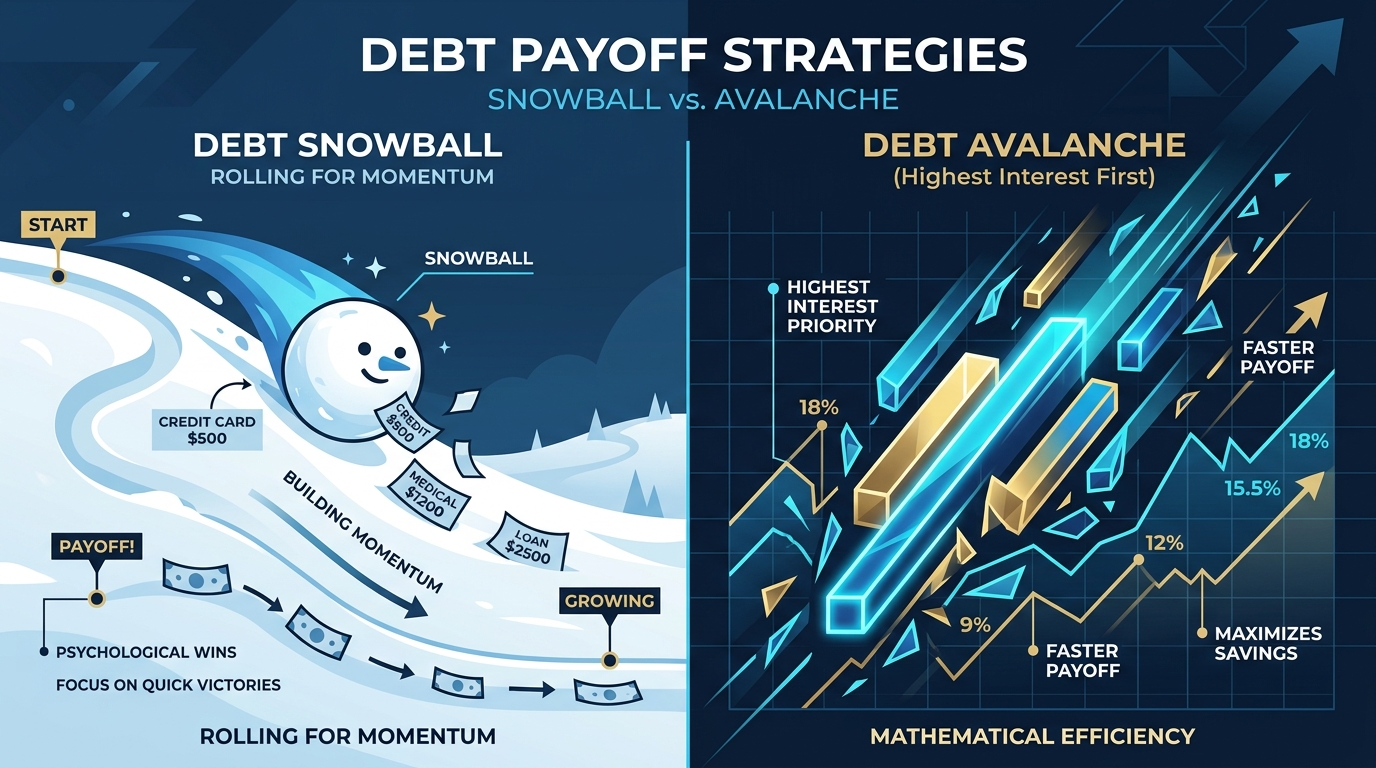

The Psychology vs. The Math of Debt Eradication: A Comprehensive Analysis of Debt Snowball and Debt Avalanche Strategies

Living under the weight of compounding debt is one of the most pervasive systemic stressors affecting modern professionals. Whether it stems from student loans, high-interest credit card balances, or unexpected medical expenses, debt acts as a severe drag on net worth and long-term financial freedom. In the field of personal finance, the debate is rarely … Read more

Redefining FIRE: How the Financial Independence, Retire Early Movement Is Adapting to a High-Inflation, High-Volatility Modern Economy

For over a decade, the Financial Independence, Retire Early (FIRE) movement operated on a beautiful, almost utopian mathematical promise. The formula, derived from the landmark 1998 Trinity Study, was elegantly simple: scrape together enough capital to equal 25 times your annual living expenses—commonly referred to as your “FIRE Number”—and invest it entirely in low-cost index … Read more

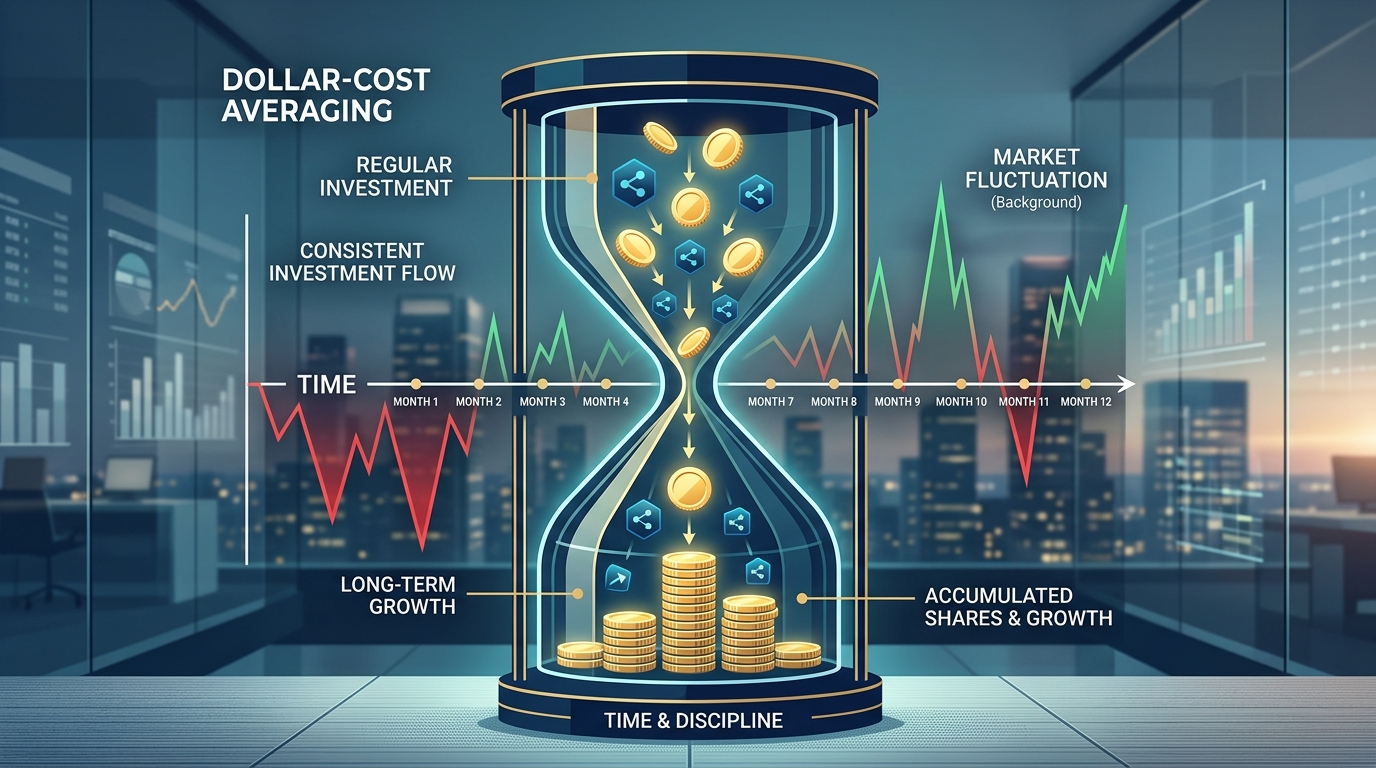
Article Title: The Automation of Wealth: Strategic Market Penetration via Dollar-Cost Averaging in Volatile Equity Markets

For centuries, the Holy Grail of the investing world has been an elusive, highly toxic psychological pursuit: timing the market. Novice investors and speculative traders spend countless hours staring at macroeconomic indicators, corporate earnings reports, and technical charts, attempting to predict the exact cyclical bottom to deploy their capital and the exact peak to liquidate … Read more

Master the Fluid Income: A Freelancer’s Guide to Zero-Based Budgeting in a Volatile Economy

The rise of the global gig economy has fundamentally transformed the traditional structure of work. Millions of professionals have traded the predictability of a bi-weekly corporate paycheck for the autonomy, flexibility, and creative freedom of freelancing. However, this liberation comes with a significant systemic trade-off: extreme income volatility. For a freelancer, a single month can … Read more

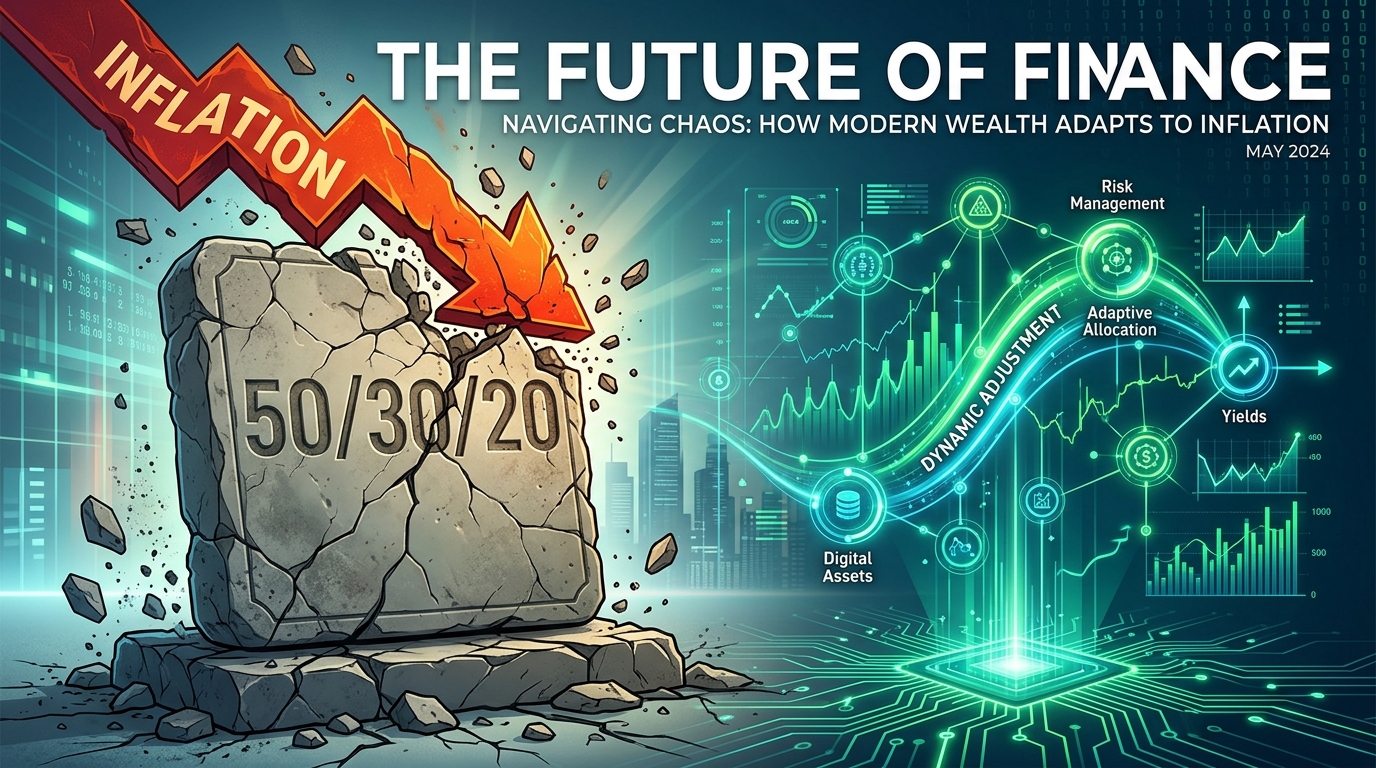
The Death of the 50/30/20 Rule: Why Modern Inflation Demands Dynamic Budgeting

For decades, personal finance gurus, banking institutions, and economic columnists have prescribed a golden rule for financial health: the 50/30/20 budgeting method. Popularized by Senator Elizabeth Warren in her book All Your Worth: The Ultimate Lifetime Money Plan, the mathematical framework was simple, elegant, and universally applicable. You allocate 50% of your after-tax income to … Read more

The Digital Arbitrage Loop: How to Build a High-Ticket Revenue Stream Without Trading Your Time

The traditional side hustle ecosystem is fundamentally broken. If you browse conventional career advice online, you will find self-proclaimed wealth gurus telling you to register for rideshare platforms, deliver cold takeout food across your city in the rain, or trade your highly valuable professional hours for rock-bottom rates on saturated freelance bidding marketplaces. That isn’t … Read more

The Frictional Banking Movement: The Behavioral Strategy That Solves Cash-Flow Drain

It is one of the most frustrating financial mysteries of modern professional life: you earn a healthy, upper-middle-class income, you consciously avoid making massive luxury splurges, and yet, at the conclusion of every single calendar month, your primary checking account feels completely depleted. You are not buying expensive sports cars or flying first class, but … Read more

The Subscription Audit Loop: How Invisible Fixed Overhead Permanently Anchors Your Savings

When households attempt to aggressively optimize their savings rate, they almost always begin by attacking their highly visible, highly emotional variable expenses. They pledge to cut down on weekend dining out, cancel their morning artisanal coffee routine, or aggressively ration their weekly grocery expenditures. While these efforts are admirable, they are mathematically inefficient and psychologically … Read more

The Passive Concentration Trap: Why Traditional Index Funds Are Riskier Than You Think

For the past quarter of a century, one singular piece of financial advice has completely dominated the global wealth-building landscape: “Allocate your capital into a low-cost, broad-market index fund tracking the S&P 500 or the FTSE 100, automate your monthly contributions, and ignore the portfolio for three decades.” It is a strategy championed by legendary … Read more