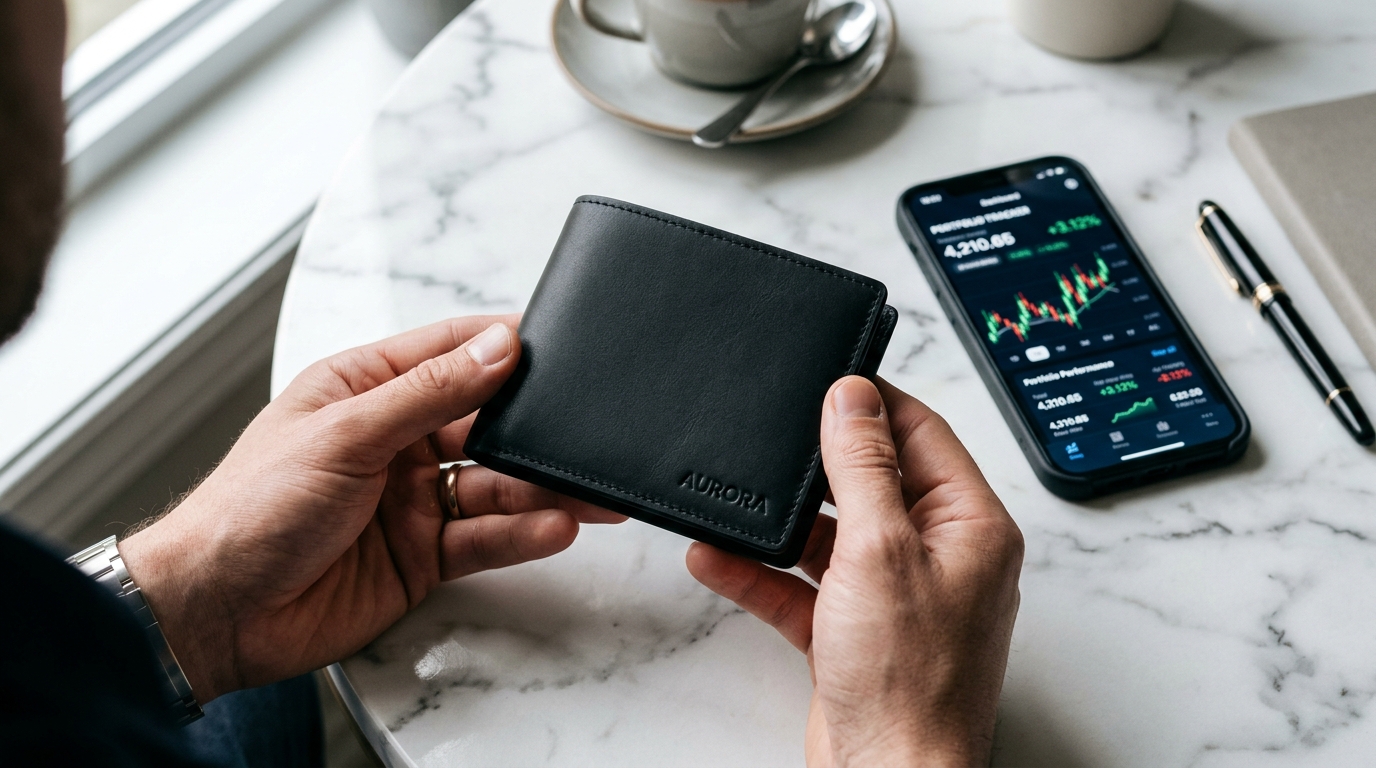
It is one of the most frustrating financial mysteries of modern professional life: you earn a healthy, upper-middle-class income, you consciously avoid making massive luxury splurges, and yet, at the conclusion of every single calendar month, your primary checking account feels completely depleted. You are not buying expensive sports cars or flying first class, but your money is simply disappearing into thin air. In the modern personal finance landscape, this isn’t caused by a single massive spending error; it is the result of a highly sophisticated phenomenon known as subconscious cash-flow drain. The modern consumer economy has been intentionally re-engineered by corporate data scientists to exploit your cognitive vulnerabilities, quietly draining your capital via thousands of tiny, friction-free digital micro-transactions.
The ultimate weapon of modern consumerism is the total elimination of payment resistance. Consider how the transactional landscape has evolved: Apple Pay, Google Pay, contactless cards, and one-click biometric authentication have completely removed the physical “pain of paying” from the human brain. When consumers used physical cash, handing over a crisp $100 bill triggered a genuine psychological sting of loss. Today, a quick double-click of a side button or an automated facial scan instantly authorizes a transaction without a single microsecond of cognitive resistance. Because the friction is entirely gone, we routinely authorize small, seemingly insignificant expenses—a premium app upgrade, an instant delivery fee, a streaming add-on—without a second thought. Individually, these numbers are completely meaningless; collectively, they form a massive structural leak that quietly drains hundreds of dollars out of your monthly savings capacity.
To fight back against this algorithmic consumer trap, successful wealth managers utilize a concept called Frictional Banking. Instead of keeping all your disposable cash sitting in a highly accessible checking account linked directly to your digital wallet, you purposefully introduce artificial operational hurdles. By routing your discretionary funds into a completely separate, unlinked digital bank account that requires manual transfers, you force your brain to pause, evaluate, and consciously authorize every non-essential purchase. This brief, five-second window of friction is often all it takes to break the impulsive buying cycle and preserve your hard-earned capital.